Alfama
A tangle of steep, narrow lanes beneath Castelo de São Jorge, threaded by the number 28 tram and dotted with fado houses. It suits visitors drawn to atmosphere and viewpoints over convenience, since the hills are steep and stepped.
Cobbled miradouros, tiled façades and riverside monuments across a sunlit capital built on the Atlantic.
Explore AttractionsLisbon is older than Rome. Settled by Phoenician traders around the Tagus estuary long before the empire that later claimed it, the city carries almost three thousand years beneath its pale limestone pavements.
The 1755 earthquake erased much of the medieval core in minutes, and the grid of the rebuilt Baixa still marks that rupture — a rational city rising from ruin, laid out in straight lines the older hills refuse to follow.
What defines Lisbon today is the tension between water and stone. Seven hills tilt toward the river, and the light that rises off the Tagus each morning gives the tiled façades their glassy sheen. This geography shapes how visitors move. The steepness that makes the miradouros so rewarding also makes them hard-won, which is why so many Lisbon Tours lean on the vintage funiculars, the yellow trams, and the tuk-tuks that climb where larger vehicles stall. Azulejos cover entire walls in blue and white, and the sound of fado drifts from Alfama's lanes when evening falls.
The landmark attractions fit together as a single narrative of departure and return. Downriver in Belém, the Torre de Belém and the Jerónimos Monastery mark where caravels once left for India, their Manueline stonework knotted with rope and coral motifs. Nearer the water, boat trips carry travelers onto the Tagus itself for the sunset cruise that reveals the city as sailors first saw it. In the food and wine cellars, the vinho verde and the pastéis de nata tell a quieter history of trade and taste. Walking tours through the old town stitch these threads together, past the ruins of the Carmo Convent left roofless since the earthquake. A well-planned Lisbon tour treats the fado houses, the riverside monuments, and the hilltop castle of São Jorge as chapters of one story rather than isolated stops.
The destination suits the curious more than the hurried. Travelers who want checklists may find Lisbon frustrating, because its pleasures are lateral — a wrong turn into a tiled courtyard, a glass of ginjinha at a doorway counter, an accidental viewpoint. Those who book Lisbon Tours tickets for the marquee sights and leave room between them tend to leave most satisfied. Families lean toward the oceanarium and the boat trips; music lovers toward the fado; the footsore toward the trams. The city rewards a slower rhythm, and its steep, luminous, salt-aired character stays with those who give it the days it asks for.
“What defines Lisbon today is the tension between water and stone.”
Belém's tower and monastery trace Portugal's seafaring past along the Tagus waterfront.
Steep lanes fill with the mournful guitar and voice of Portugal's signature music after dark.
Vintage Tram 28 and nimble tuk-tuks thread the hills that defeat ordinary buses.
Lisbon rewards visitors who mix ways of moving through it: on water, on foot, by tuk-tuk up its hills, and out to landmarks beyond the center. This collection spans the experiences worth booking ahead, from Fado nights to Belém's monuments and the tiled riverside. Think about pace and terrain when choosing. Want the river and light? Take to the Tagus. Craving culture? Sit for Fado or taste local wine. Short on legs for the seven hills? Ride. Pick two or three that suit your rhythm.
 Day Trip
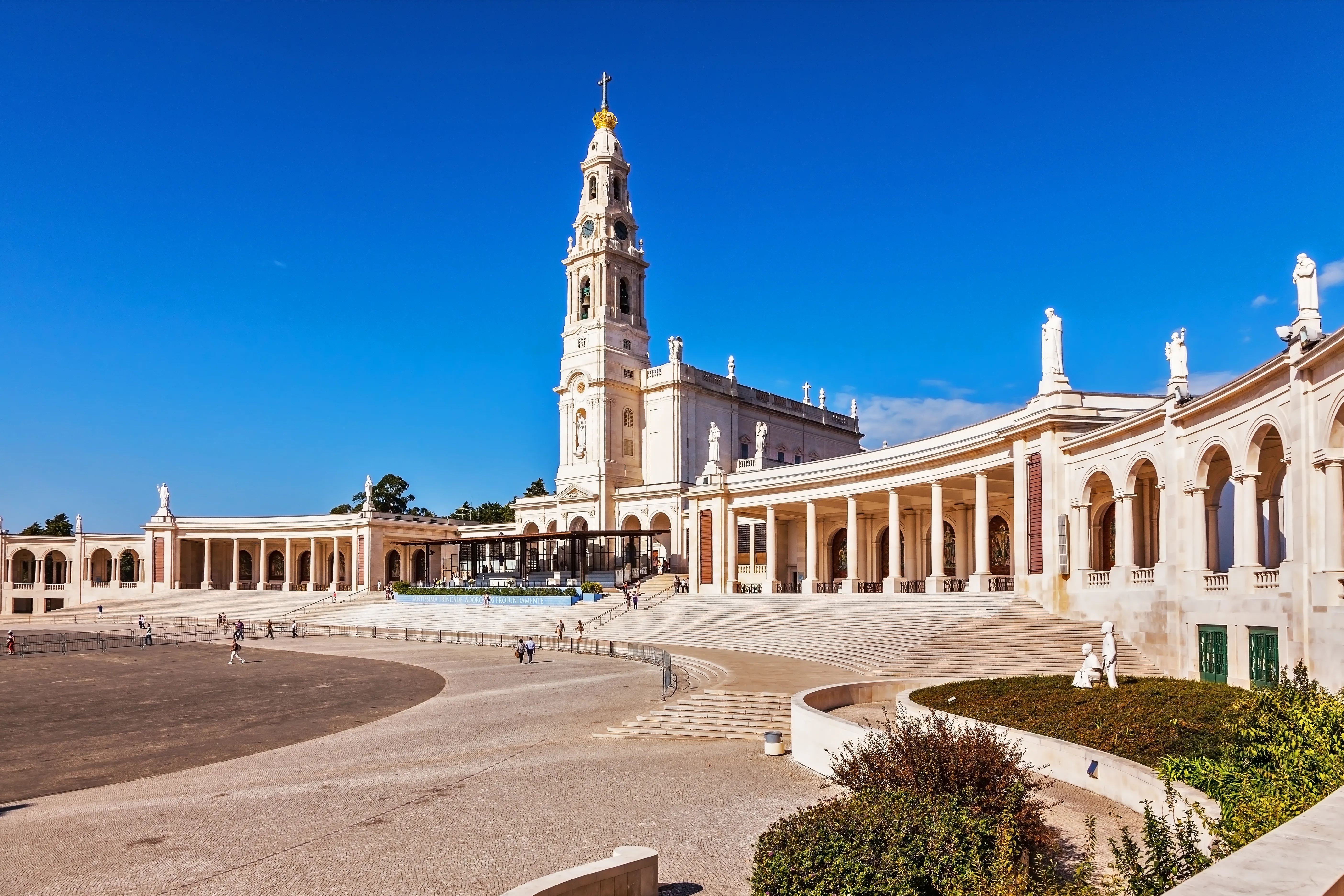
Visit the pilgrimage shrine at Fátima, Batalha's Gothic monastery, and Nazaré's towering Atlantic surf break on one guided route north.
 Walking Tour
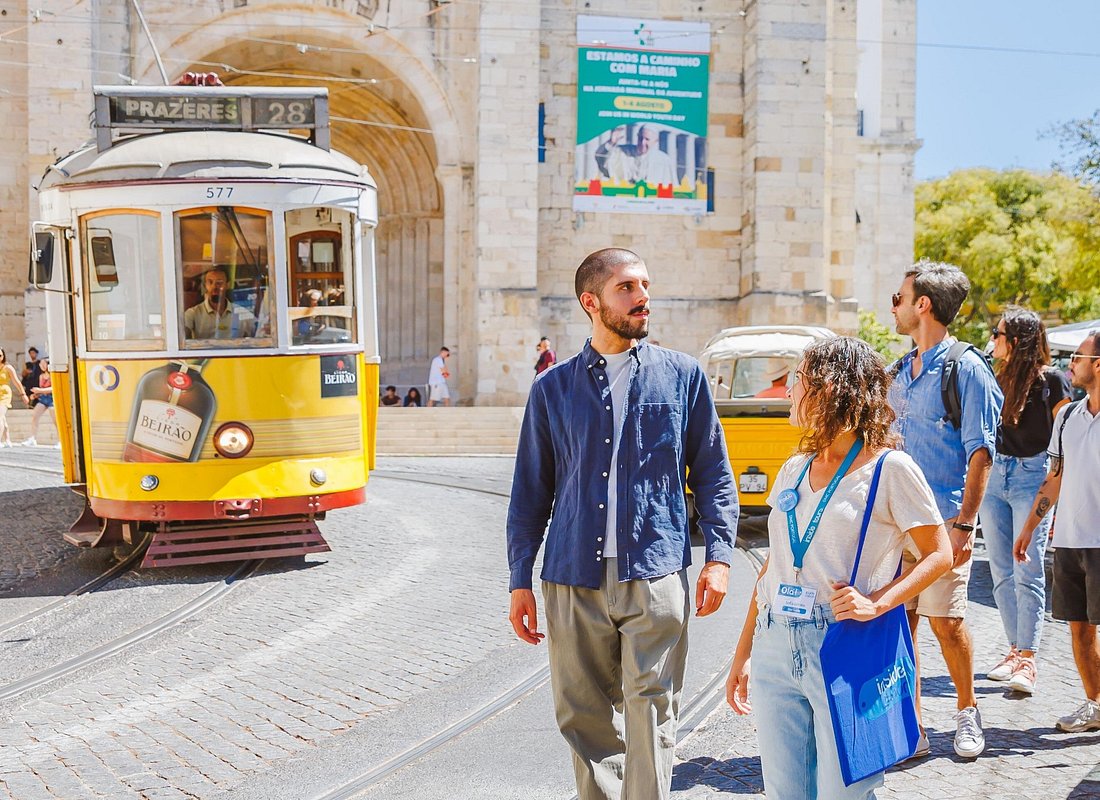
Trace the medieval maze of the Old Town on foot, ducking under laundry lines and past azulejo tiles a guide decodes street by street.
 Monuments
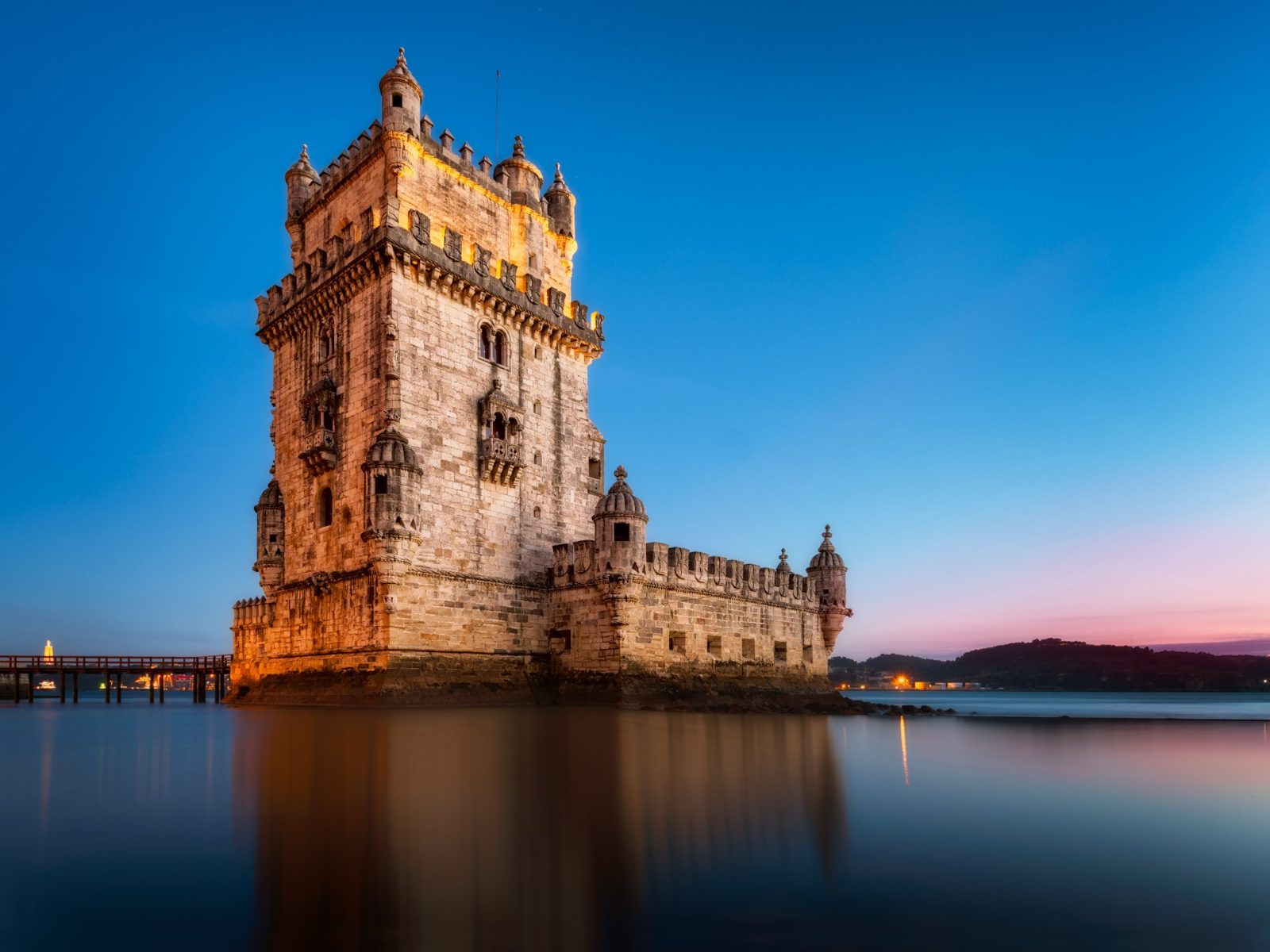
Skip queues at the Manueline limestone landmarks where explorers set sail, touring the fortified river tower and the monastery's carved cloisters.
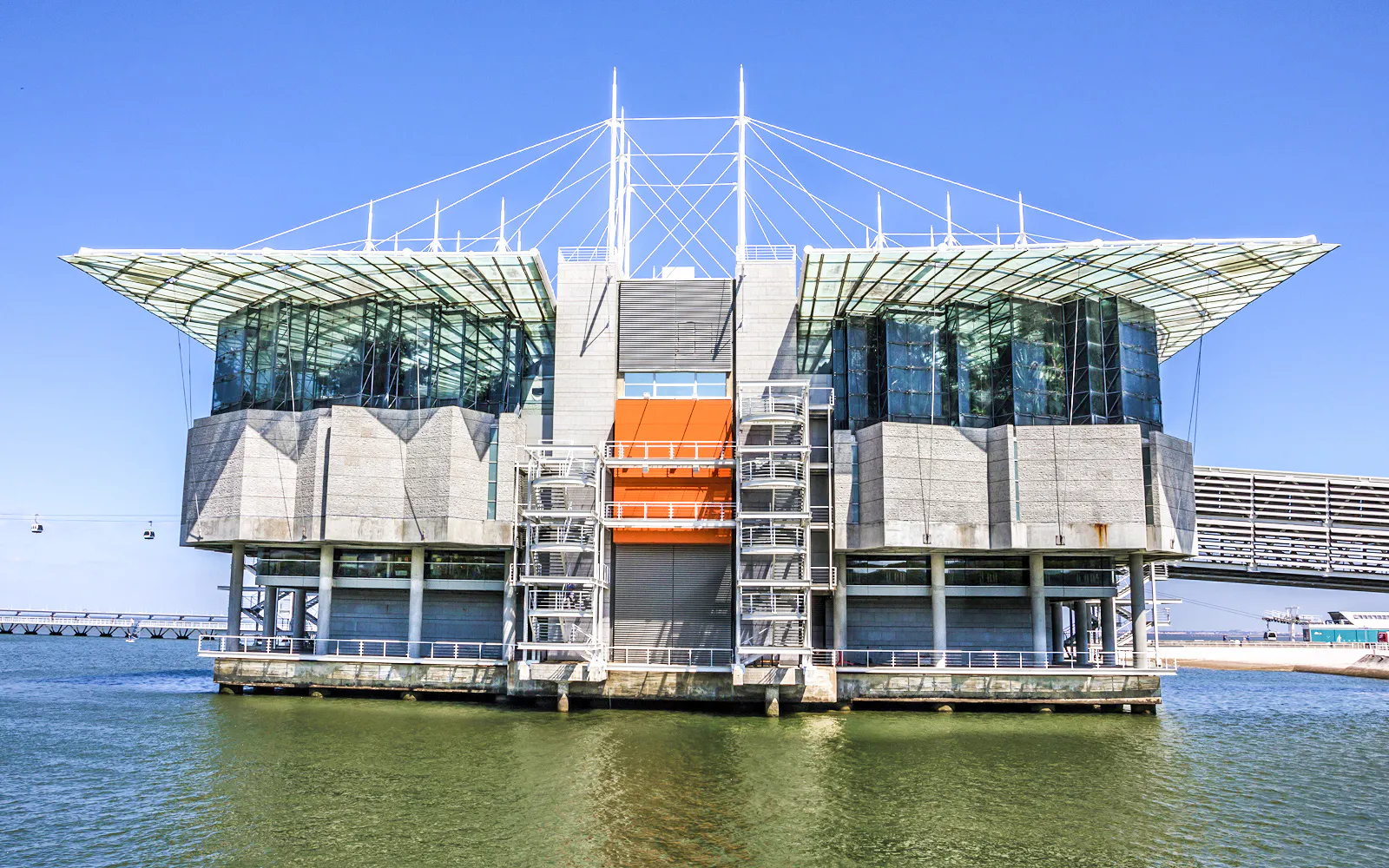 Aquarium
Circle one of Europe's largest indoor tanks at Parque das Nações, watching sunfish, sharks, and penguins across four themed ocean habitats.
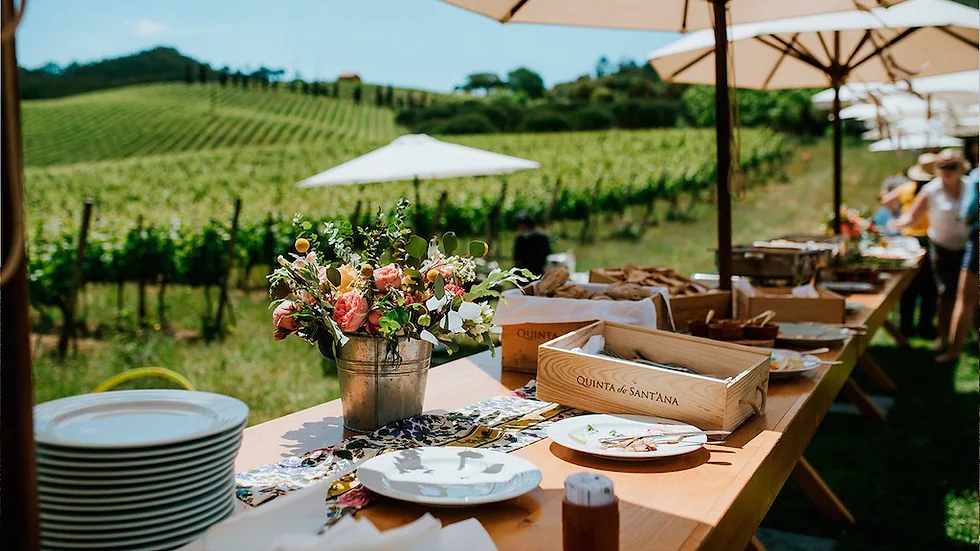 Tasting
Sample Vinho Verde, port, and petiscos through tucked-away cellars and counters, learning how Portuguese wine regions shape each pour you taste.
 One card covering rides plus entry to dozens of sites, sold for fixed durations so you can weigh which attractions justify the bundled pass.
Unlimited Transport & Free Entry
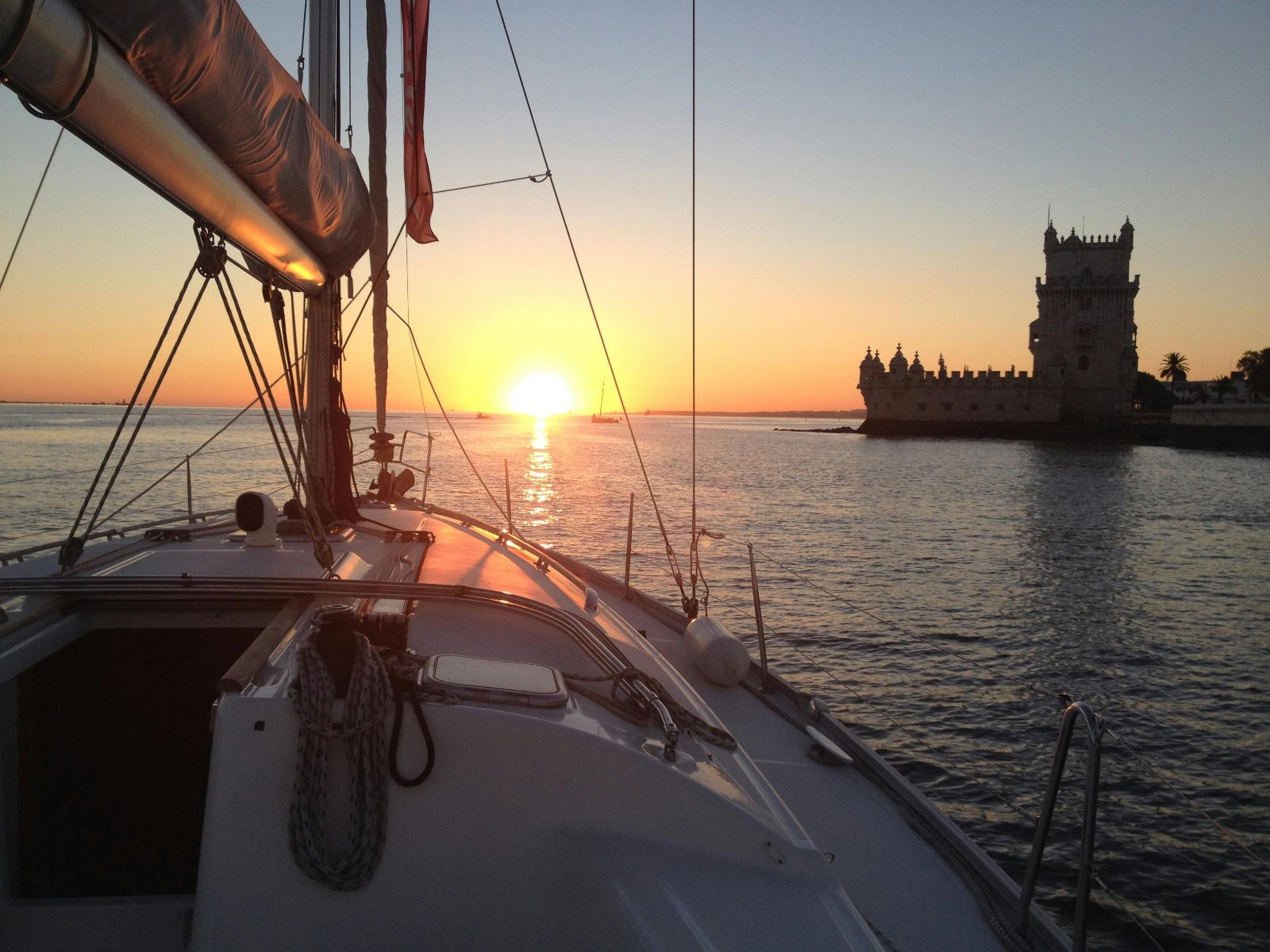 Cruise
Glide the Tagus past the 25 de Abril Bridge and Belém Tower from the water, with golden-hour sailings that catch the city's tiled facades lit warm at dusk.
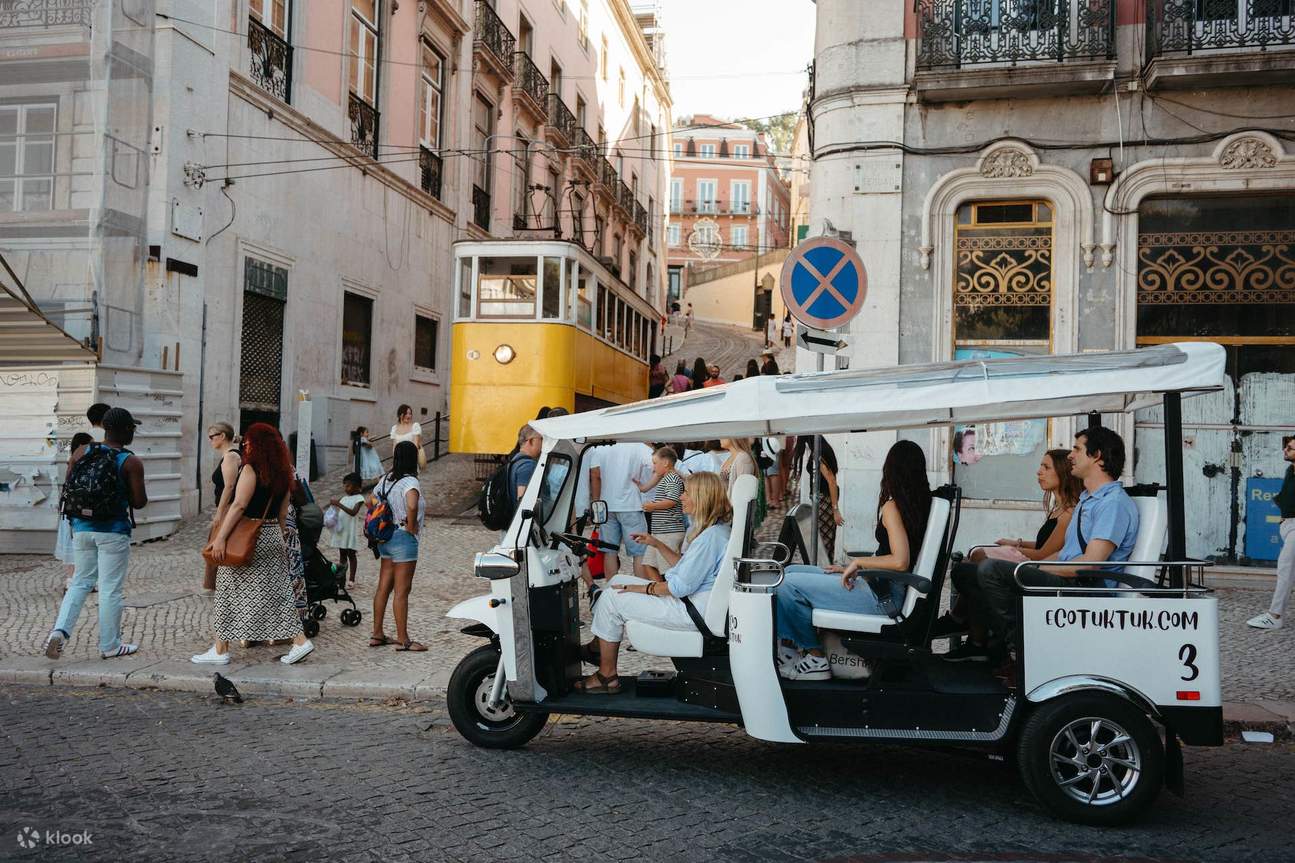 Zip up the steep lanes of Alfama and Graça that tire walkers and stall cars, with a private driver stopping at miradouros for photos.
Private City Sightseeing
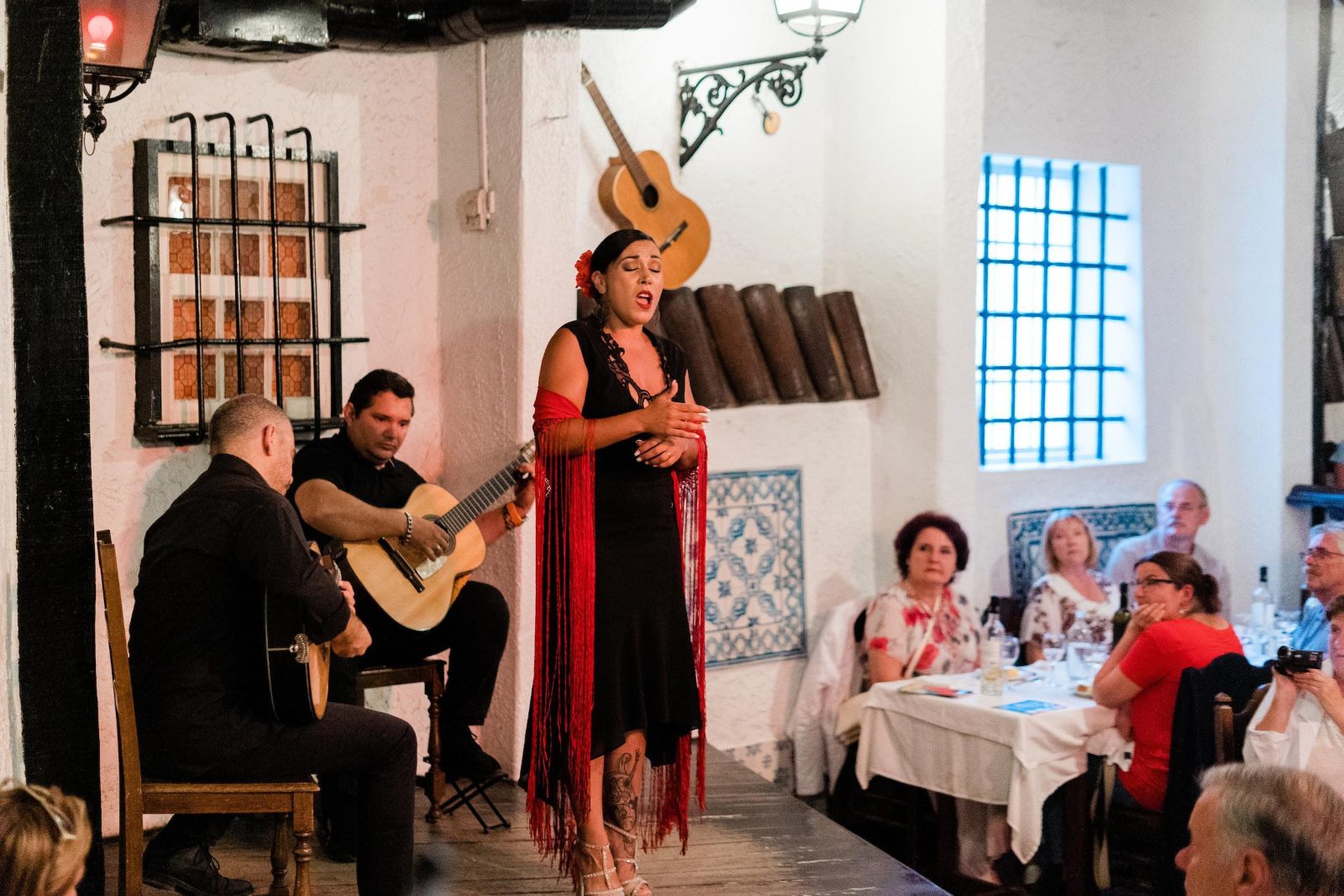 Performance
Sit close in an Alfama tavern as singers deliver saudade over Portuguese guitar, often paired with a multi-course dinner in intimate, candlelit rooms.
 Climb to the candy-colored Pena Palace and descend Quinta da Regaleira's initiation well, exploring the forested hilltop estates of romantic Sintra.
Pena Palace & Quinta da Regaleira
Three days is enough to pair Lisbon's historic core with the riverside monuments at Belém and one trip beyond the city. Each day below sequences a handful of stops in walking order and points to the bookable pieces where a guide or ticket makes sense. Adjust the pace to taste; the plans assume mornings start around 09:00.
Start with a guided loop through the historic center and Alfama's lanes, covering the main squares and miradouros in roughly three hours. Wear grippy shoes for the cobbles and hills.
View guideRetrace the morning route solo, ducking into side streets and pausing at a viewpoint terrace. Budget two hours to wander without a fixed target.
Close the day with a seated fado show, where live singing runs between courses over about two hours. Book ahead, as the smaller venues fill quickly.
View guideCross to the riverfront to tour the tower and the monastery, the two set-piece monuments of the district. Pre-booked tickets skip the longest queues, and both take a full morning together.
View guideWalk the waterfront between the monuments and the Discoveries Monument, allowing an hour for photos and a coffee break. Flat, shaded paths make this the easy half of the day.
Board an early-evening boat to see the bridge and waterfront from the water as the light drops. Sailings run around two hours; bring a layer for the breeze.
View guideHead out early on a Sintra day trip to reach Pena Palace and Quinta da Regaleira before the crowds thicken. Expect a full day out with hilly grounds to cover.
View guideSplit the afternoon between the two headline estates, walking the terraced gardens and towers. Comfortable shoes and a water bottle earn their keep here.
Ride back into the city in the early evening and keep dinner low-key after a long day on foot. Leave the guidebook closed and let the trip wind down.
Lisbon's sightseeing splits across a handful of named districts that ring the historic center and the Tagus waterfront. Alfama and Baixa anchor the old town on adjoining hills and a rebuilt grid, while Chiado, Bairro Alto, and Belém extend the story west along the river, with Príncipe Real and Parque das Nações offering a quieter or more modern counterpoint.
A tangle of steep, narrow lanes beneath Castelo de São Jorge, threaded by the number 28 tram and dotted with fado houses. It suits visitors drawn to atmosphere and viewpoints over convenience, since the hills are steep and stepped.
The flat, grid-planned downtown rebuilt after the 1755 earthquake, with grand squares like Praça do Comércio and Rossio. It works as an orientation point for first-time visitors who want everything walkable.
An elegant hillside quarter of theaters, bookshops, and old-world cafés bordering Baixa and Bairro Alto. It appeals to visitors who want central sightseeing without Baixa's heavier tourist traffic.
A dense grid of townhouses that turns from quiet by day into Lisbon's main nightlife district after dark, with bars spilling onto the street. It suits visitors prioritizing evening energy over daytime sights.
A riverside district west of the center holding Lisbon's grandest monuments, including the Jerónimos Monastery and Belém Tower. It suits visitors focused on landmark sightseeing and open river-facing space.
A leafy, residential square and surrounding streets known for boutique shops, design stores, and a garden with a century-old cedar tree. It suits visitors seeking a calmer, upscale pace near the historic center.
A modern waterfront district built for Expo 98, with the Lisbon Oceanarium, a cable car, and riverside promenades. It suits visitors who want contemporary architecture and open, flat walking away from the old town.
Lisbon's center is compact and walkable, but its hills mean visitors lean on a mix of metro, tram and funicular to cover ground without exhausting their legs. Carris and Metro de Lisboa run an integrated network that a Navegante card unlocks in one tap.
Four lines - Blue, Red, Yellow and Green - cross the city center and interchange at Baixa-Chiado, Marquês de Pombal and São Sebastião. The Red Line links the airport to the network, though Belém sits outside metro coverage entirely.
Tram 28 runs a hilly loop through Alfama, Graça, Baixa and Chiado on vintage wood-paneled cars, while modern Tram 15E is the direct route out to Belém along the riverfront. Both board with a Navegante card or contactless tap.
The Elevador da Glória climbs from Praça dos Restauradores up into Bairro Alto, and the Elevador da Bica connects Cais do Sodré to the same hilltop district via a steeper, narrower track. Both count as Carris rides under the same ticketing.
Carris buses reach areas the metro and trams skip, with the 728 running from Praça do Comércio out to Belém's monuments and museums, and the 737 offering a quieter alternative to the crowded Tram 28 route.
Metered taxis and ride-hailing apps cover late-night trips or transfers when transit stops running, useful after funiculars and buses wind down in the evening.
From the airport: From Humberto Delgado Airport, the Metro Red Line reaches the center in 20-25 minutes for €1.90, while a taxi takes 15-25 minutes and costs €15-20.
The Lisboa Card is Lisbon's only citywide sightseeing pass, bundling free entry to around 50 museums and monuments with unlimited public transport, including the airport metro and CP trains to Sintra and Cascais. It suits multi-day visitors planning several paid attractions rather than travelers sticking to free viewpoints and neighborhoods.
|
Top pick Lisboa Card 24/48/72-hour city pass |
Individual tickets Pay per attraction and per ride | |
|---|---|---|
| Price | €31 (24h), €51 (48h), €62 (72h) per adult | Varies by attraction and ride, no upfront cost |
| What's included | Free entry to about 50 museums and monuments (Jerónimos Monastery, Belém Tower, São Jorge Castle among them) plus unlimited public transport | Only the specific tickets purchased, each at full price |
| Transit included? | Yes, unlimited Carris buses, Metro, trams, funiculars, plus the airport metro line and CP trains to Sintra and Cascais | No, each ride paid separately at €1.90 (or €1.72 with Zapping) or via a day pass at €7.25 |
| Break-even point | Roughly two major paid attractions plus a day of transit, per sources tracking 2026 admission prices | Not applicable, cost scales linearly with what is visited |
| Best for | Multi-day visitors and heavy museum-goers covering several paid sites per day | Short stays focused on free viewpoints, churches, and walking neighborhoods |
Verdict: Buy the Lisboa Card if visiting two or more paid attractions per day across multiple days, particularly with a Sintra or Cascais trip planned; skip it and pay per ticket if the trip leans toward free miradouros and neighborhood walking, and purchase either through the site's lisboa-card-tickets page.
Several destinations within reach of Lisbon justify a full day away from the capital, from hillside palaces to a coastal town to a major pilgrimage site. Sintra and Fátima each warrant their own planning page given the ground they cover, while Cascais works well as a lighter, train-only outing.
Palace-dotted hill town in the Sintra-Cascais Natural Park, covered in full on the sintra-day-trips page for site-by-site planning.
Major Catholic pilgrimage site built around the Sanctuary of Our Lady of Fátima, detailed on the fatima-day-trips page.
Former fishing town turned beach resort on the Estoril coast, reachable on a single direct train with no sub-page needed to plan around.
Lisbon's calendar has one event that reshapes tour planning more than any other, plus a handful of smaller fixtures worth timing a visit around or avoiding.
Runway shows at Pátio da Galé draw a fashion crowd downtown but have little effect on general sightseeing tours.
A seafood and chef showcase in Eduardo VII Park; worth building a food-focused day around, minimal crowd impact elsewhere.
Alfama, Graça and Mouraria fill with arraiais, grilled sardines and sound systems from early June, climaxing with the Marchas Populares parade and the Santo António procession on the 12th-13th. Walking tours through these neighborhoods need earlier start times or rerouting that week, streets close to cars, accommodation prices spike, and evening bookings should shift toward Graça or quieter areas if clients want to avoid dense crowds.
A riverfront rock and indie festival in Algés; adds evening traffic near the venue but doesn't affect central walking routes.
Road closures on marathon morning affect river-front routes; the fado festival brings evening crowds to Alfama but on a smaller scale than June.
Praça do Comércio hosts fireworks and a free concert; central routes get congested from late afternoon and tours should finish well before dusk.
Lisbon's food identity runs through salt cod, custard tarts and small shared plates, best sampled in short stops that slot between monastery visits and viewpoint climbs. Markets and tascas cluster near the main sightseeing routes, so eating well rarely means a detour.
Original custard tart bakery on Rua de Belém, next to Jerónimos Monastery, baked to a recipe the bakery has kept exclusive since the 19th century; expect a queue but fast turnover
Shredded salt cod pan-fried with matchstick potatoes, onion and scrambled egg, a Bairro Alto invention now standard on tasca menus across the city
Food hall inside the historic Mercado da Ribeira at Cais do Sodré, roughly 30 stalls run by Lisbon chefs under one iron-and-glass roof, walkable from the Cais do Sodré metro/train stop
Small shared plates such as garlic clams or fried green beans, served at family-run tascas throughout Bairro Alto for a slower, sit-down alternative to market grazing
Sour-cherry liqueur sold by the glass at small stand-up bars around Rossio and Baixa, a quick stop between sights rather than a sit-down order
Open-kitchen pastel de nata counter with locations in Chiado, Baixa and inside Time Out Market, offering a faster alternative to the Belém queue
Lisbon offers a stunning mix of historic monuments, world-class museums, beautiful viewpoints (miradouros), traditional Fado venues, and captivating cultural and food tours.
Consider your group's interests. History buffs should prioritize Belém Tower and Jerónimos Monastery, while families might prefer the Lisbon Oceanarium. We recommend mixing major landmarks with relaxed neighborhood explorations.
Spring and autumn offer ideal sightseeing weather. For specific attractions, try visiting popular landmarks early in the morning right at opening time, or late in the afternoon to catch the famous Lisbon golden hour.
Always book your tickets online in advance. This allows you to skip the often lengthy ticket-purchasing queues, secure your preferred time slot, and occasionally take advantage of exclusive online discounts.
Many modern attractions like the Oceanarium and major museums are fully accessible and great for kids. However, keep in mind that Lisbon's older neighborhoods feature steep hills and cobblestones, which can be challenging for strollers and wheelchairs.
Lisbon has an excellent public transport system. You can use the metro for quick cross-city trips, buses for specific routes, and the iconic yellow trams (like Tram 28) for scenic rides between historic districts. Walking is also highly recommended if you don't mind the hills!
Yes! The Lisbon Card is highly recommended for tourists. It provides free unlimited travel on public transport and grants free or discounted admission to dozens of top museums and historic monuments.
To beat the crowds, visit famous spots like Sintra or Belém on a weekday morning. You can also explore lesser-known but equally beautiful sites like the National Tile Museum, or simply get lost in the charming, quieter streets of Graça.
Choose from amazing attractions and create unforgettable memories in this beautiful city
Book Your Experience Now