72 hr
Lisbon Card: 24, 48 & 72-Hour City Pass
- Multi-attraction access
- Mobile voucher
- Flexible dates
Lisbon City Pass — Reserved Card Pickup & Guided Sightseeing
One card from the river square, all of Lisbon waiting.
Compare fares, pick the fit — all bookings are mobile-voucher and eligible for free cancellation where shown.
72 hr
96 hr
24 hr
The lisbon city pass comes in three official validity tiers — 24h, 48h, and 72h — each covering unlimited public transport plus free entry to 50+ museums and monuments. Picking the right tier is mostly a question of trip length rather than which sites you want, since all three unlock the same attraction network at different per-day costs.
| 24-Hour Card (Single day) |
Top pick 48-Hour Card (Two days) |
72-Hour Card (Three days) | |
|---|---|---|---|
| Validity window | 24 hours from first use | 48 hours from first use | 72 hours from first use |
| Starts counting from | First tap at transport or attraction | First tap at transport or attraction | First tap at transport or attraction |
| Typical use case | Single-day downtown loop | Two-day city and Belém split | Three-day trip with a Sintra or Cascais day |
| Attractions reachable in the window | 4-6 sites within walking or tram range | 8-10 sites across two districts | 12+ sites plus one rail day-trip |
| Per-day value as length increases | 31 EUR — baseline single-day rate | 51 EUR — roughly 25.50 EUR per day | 62 EUR — roughly 20.70 EUR per day |
| Best for | First-timers on a short layover | Most first-time visitors pacing two districts | Longer stays wanting Sintra or Cascais included |
| See tickets & prices |
Verdict: Match the tier to nights in Lisbon: one day favors the 24h card, a standard first visit fits the 48h tier best, and anyone adding a Sintra or Cascais rail excursion should size up to 72h for lisbon city pass tours that stretch beyond downtown.
Worth it for busy first-time sightseers
The lisbon city pass costs 31 EUR for a 24-hour adult card, and the break-even math is straightforward. Free transport swings it: unlimited metro, trams, buses, plus the Santa Justa Lift and CP trains to Sintra or Cascais easily absorb 10-15 EUR a day. Add free entry to Jeronimos Monastery (around 12 EUR) and Belem Tower (around 8 EUR), and you clear the price in two stops. Bundle skip-the-line access at these Belem landmarks with a couple of tram rides and the card pays for itself before lunch. It pays off for the sprinter who packs UNESCO heritage sites, museums, and transport into one intense day. It doesn't for the slow traveller doing two attractions and long cafe stops, who spends less paying per ticket. Time density, not scenery, decides whether these lisbon city pass tickets earn their keep.
Bottom line: Pack four or more sights and rides into the day and the lisbon city pass tour clearly pays; dawdle and you overspend.
They serve different trips: the official lisbon city pass bundles 51 attractions with free public transport, while Lisbon Pass is a fixed bundle of three sights and works better for a short, focused visit.
|
Top pick Lisboa Card |
Lisbon Pass | |
|---|---|---|
| Issuing organization | Turismo de Lisboa (official city body) | Tiqets (private ticket reseller) |
| Attractions included | 51 museums and monuments | 3 fixed sights (Belém Tower, Jerónimos, HOHO bus) |
| Public transport coverage | Unlimited metro, bus, tram, funiculars, Sintra/Cascais trains | Not included |
| Duration options | 24, 48, or 72 consecutive hours | Single fixed-date entry, no hour tiers |
| Flexibility on activation | Activates on first scan, valid 1 year from purchase | Tickets tied to a chosen visit date |
| Overall value for short stays | Pays off with 3+ paid sights plus transport in a day | Cheaper if only those 3 sights are wanted |
| See tickets & prices |
Verdict: Choose the Lisboa Card for a transport-heavy, multi-attraction day and Lisbon Pass only if Belém Tower, Jerónimos, and a hop-on-hop-off ride are truly the whole plan.
Hand-picked experiences loved by thousands of travelers
48 hours (from first validation)
Free Cancellation
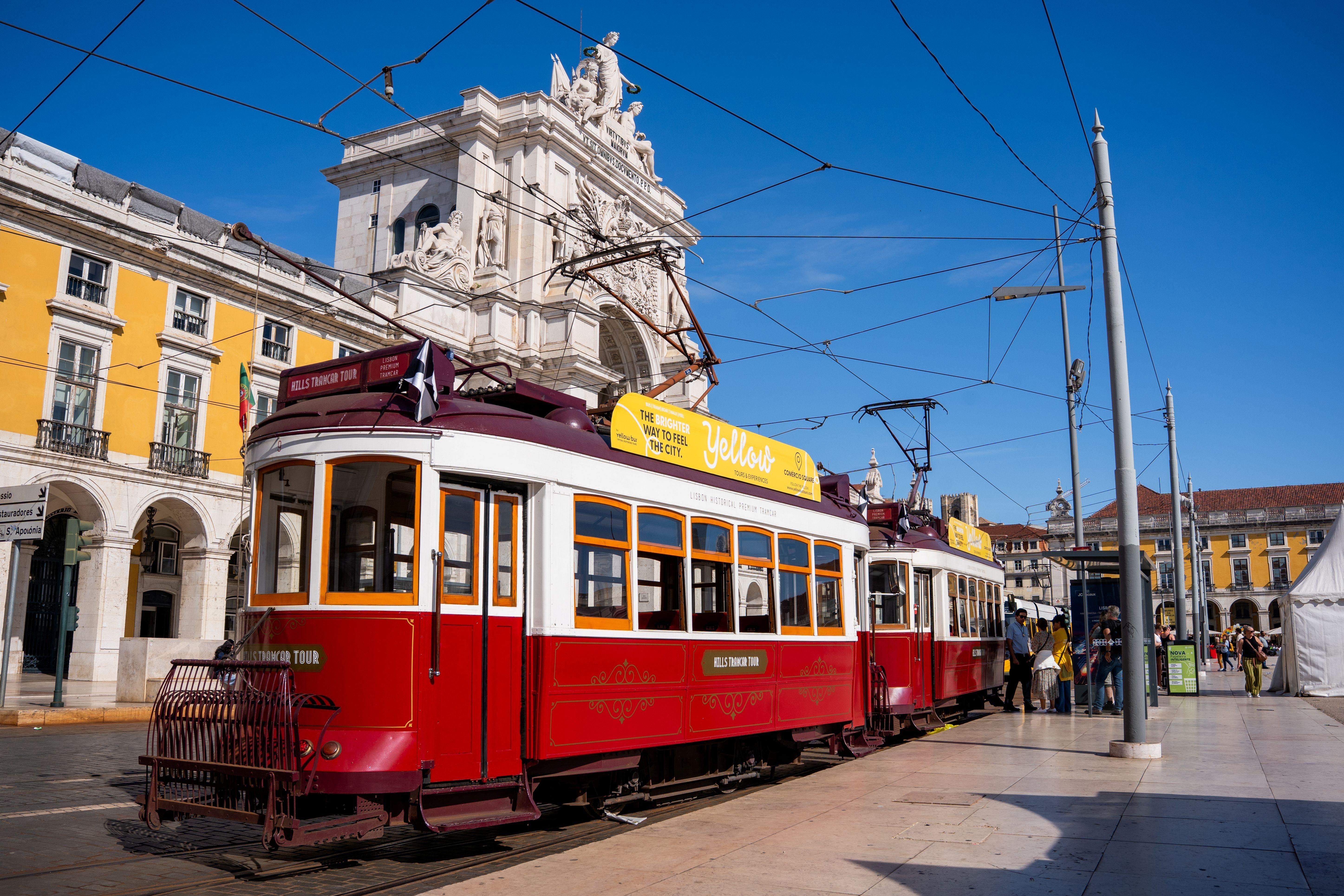
Explore Lisbon by river and road — cruise the Tagus and roam the city on two double-decker bus routes.
8 – 8.5 hours
Free Cancellation
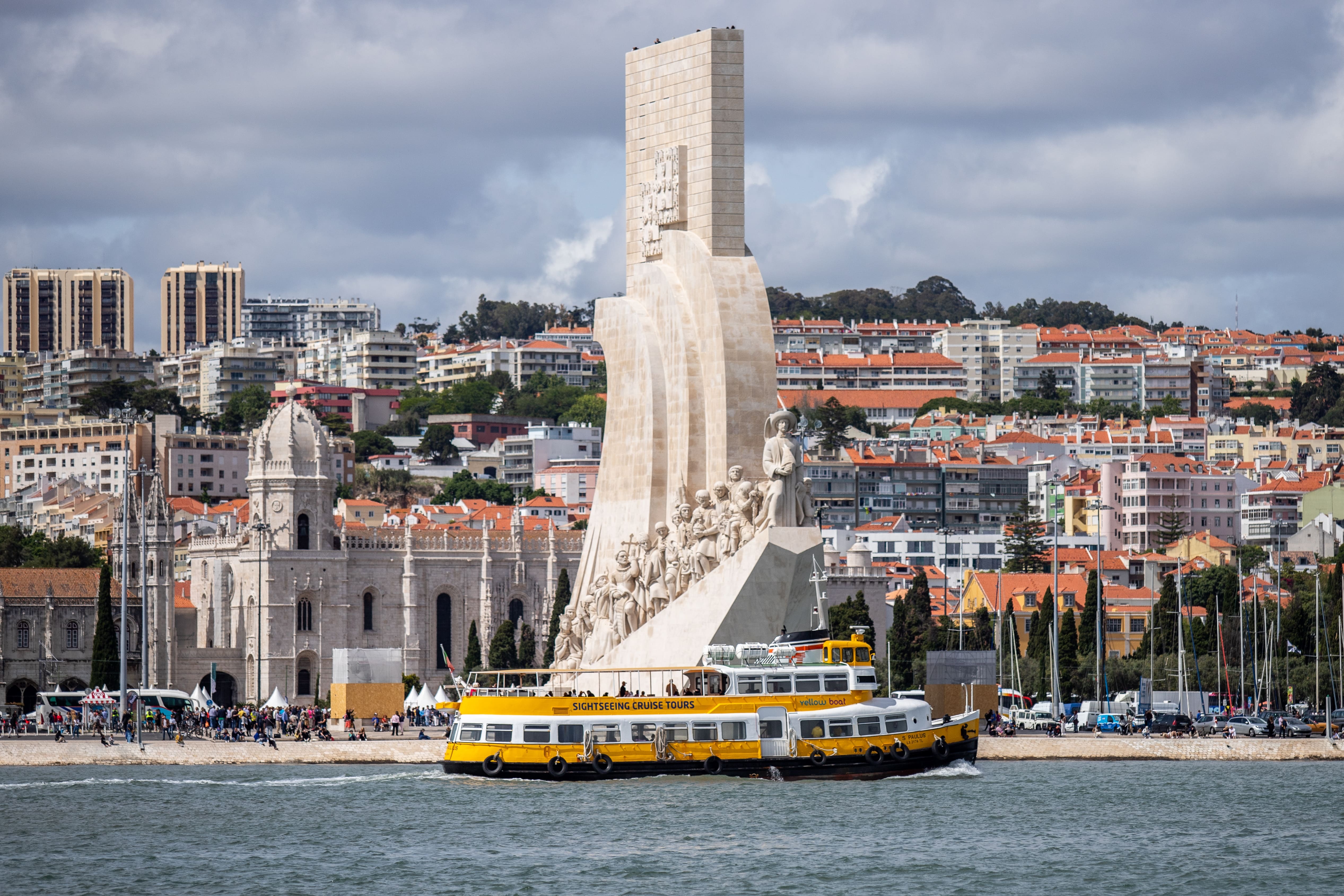
An 8-hour journey through royal palaces, mystical gardens, dramatic coastline, and a charming Atlantic village.
30 minutes – 4 hours (flexible)
Free Cancellation
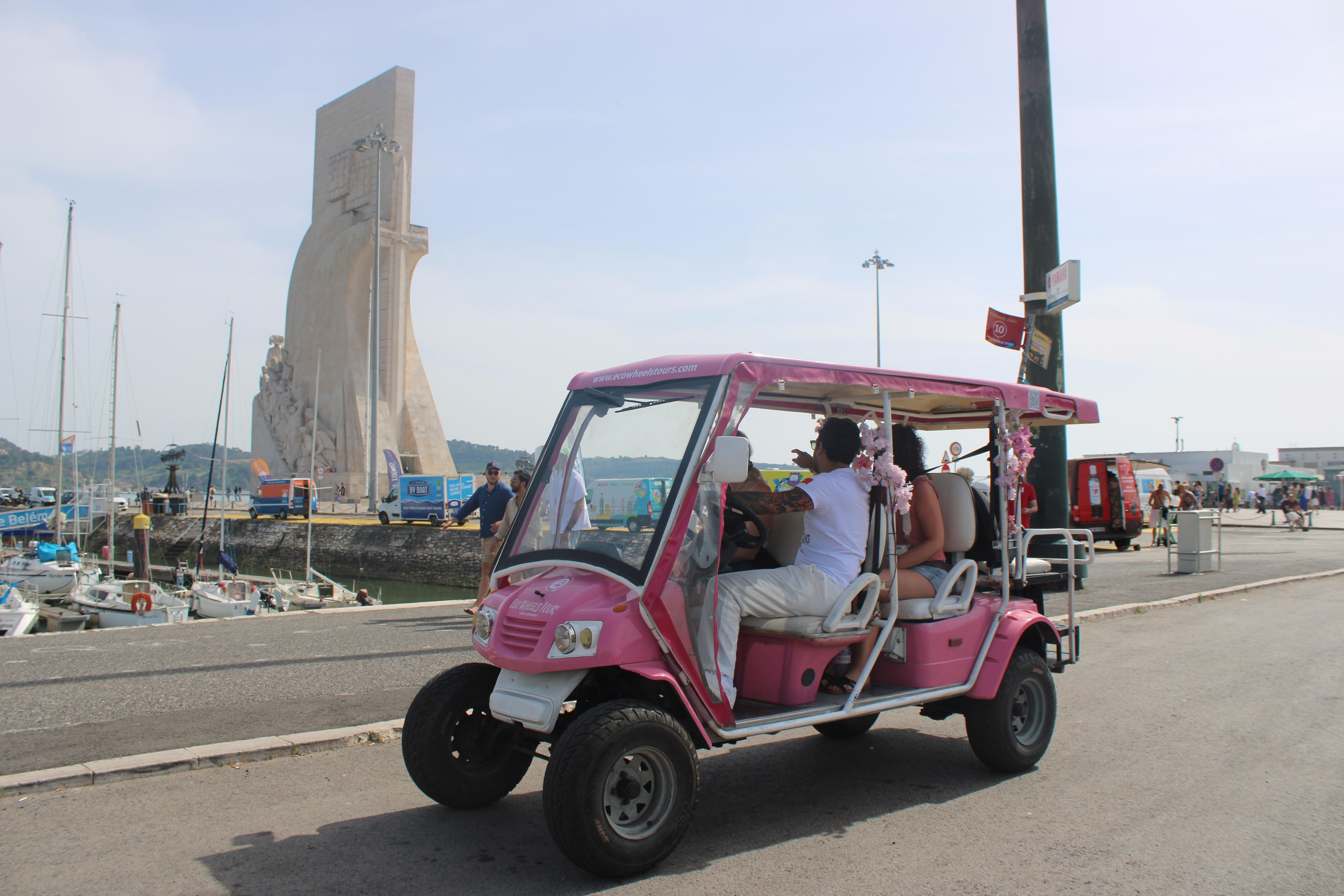
Cruise Lisbon's seven hills on eco-friendly electric vehicles with a local guide by your side.
Show your voucher and ID at the Ask Me Lisboa counter on Praça do Comércio to receive the physical Lisboa Card and activate it.
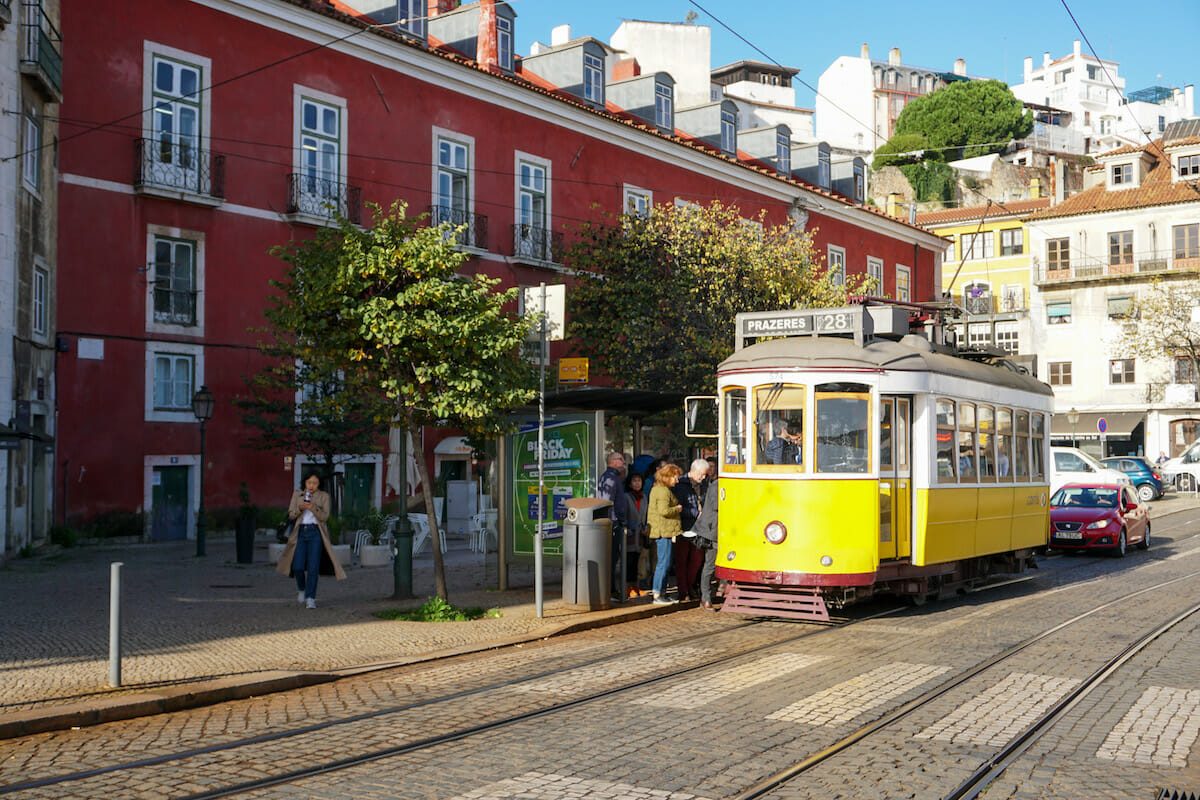
Tap the card on Tram 15E toward Belém, riding past the river to reach Jerónimos Monastery and Belém Tower.
Once the physical card is in hand, book a free timed slot for Jerónimos Monastery, since walk-ins without a reservation may be turned away.
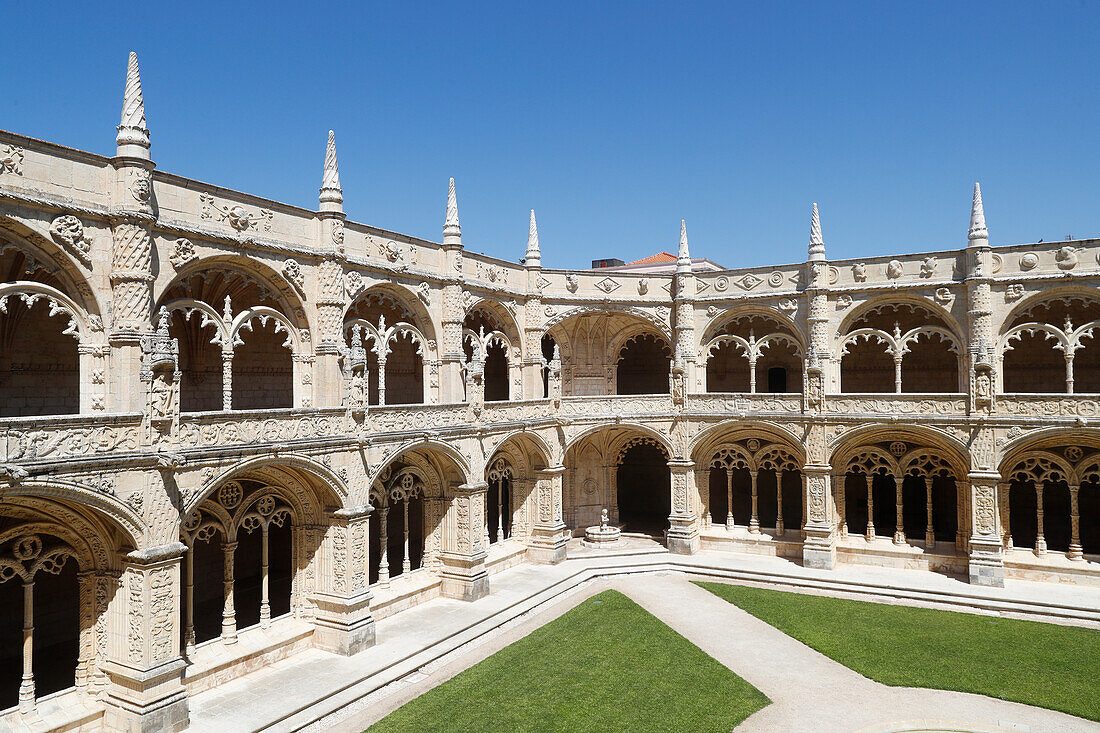
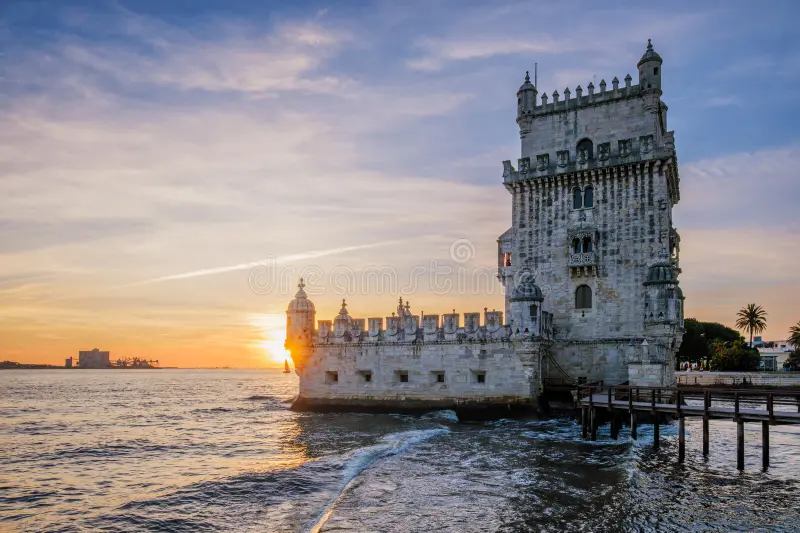
Walk through the monastery cloisters, then continue along the river to Belém Tower and the Padrão dos Descobrimentos.
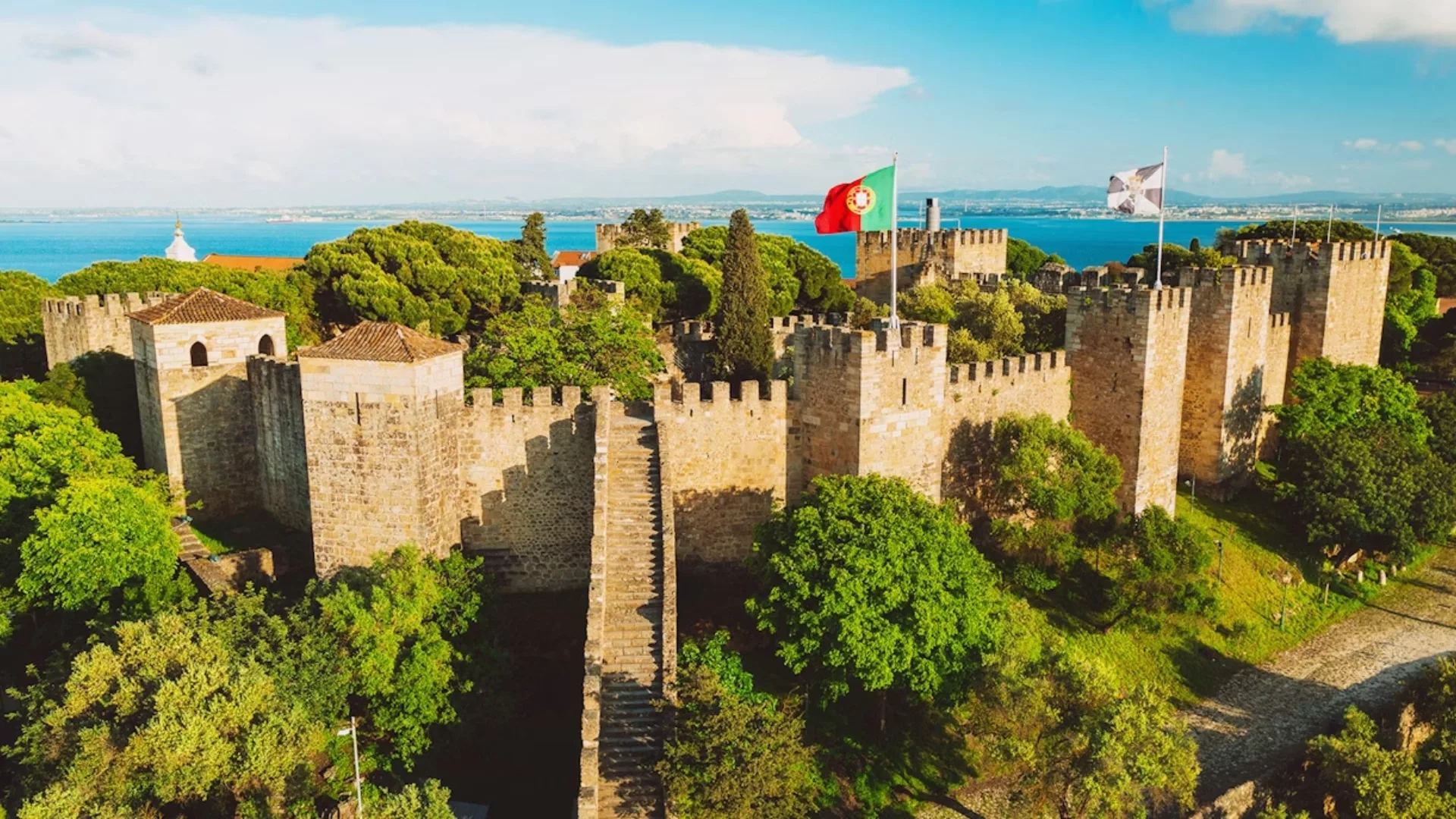
Take the metro or bus back toward the center and climb to Castelo de São Jorge for panoramic views over the city and river.
Ride Tram 28 through the Alfama district and use the card's dining discounts for a Fado dinner in the old town.
This grand riverside square, rebuilt after the 1755 earthquake, is where cardholders collect their pass at the Ask Me Lisboa counter beneath yellow neoclassical arcades. Its bronze equestrian statue of King José I faces the Tagus River across roughly 36,000 square meters of open plaza.
This triumphal arch marks the square's northern entrance and hides an observation deck 40 meters above street level, reachable by elevator and a short staircase. Sculpted allegorical figures representing Glory, Valor, and Genius crown its facade, completed in 1873.
A short tram ride from the pickup point, these Manueline cloisters took nearly a century to complete and are carved with maritime motifs celebrating Portugal's Age of Discovery. The adjoining church, free to enter, holds the tomb of explorer Vasco da Gama.
Built in the early 1500s as a fortified gateway to the Tagus estuary, this UNESCO-listed tower combines Manueline stonework with Moorish-influenced watchtowers. Its narrow spiral staircases lead to a rooftop terrace with river views on three sides.
Perched on Lisbon's highest hill, this Moorish-era hilltop castle offers eleven towers and ramparts that once guarded the city and now serve as the definitive panoramic viewpoint over Alfama and the river. Archaeological excavations on site have uncovered remains dating back to the Iron Age.
This wrought-iron neo-Gothic elevator, completed in 1902, rises 45 meters to connect the Baixa district with the Bairro Alto above and includes a small rooftop viewing platform. Its filigree ironwork and Eiffel-influenced design make it one of Lisbon's most photographed structures.
You step off the tram at Praça do Comércio just after ten, when the arcades still hold the morning cool. You cross the open expanse toward the water, past the statue of King José on his horse, and collect your card at the pickup point on the square — early, so the whole first day stretches ahead of you. You tap it against the reader and the counter begins. You walk under the Arco da Rua Augusta into the Baixa, its mosaic pavements running dead straight toward Rossio. You ride the Elevador de Santa Justa to the upper terrace, then double back for tram 28 as it grinds up into the Alfama. You lean out at each curve, the Tejo flashing between rooftops. At the top you pause at the Castelo de São Jorge, walls warm underfoot. By afternoon you take the line west to Belém. You stand inside the Manueline cloister of the Jerónimos, tracing carved ropes and sea-monsters in the stone, then follow the promenade to the Torre de Belém at the river's edge. A ferry hums across the water. You check the app, count the monuments still open, and let a skip-the-line lisbon entry carry you past the queue while the light turns gold over the estuary.
All the details about your upcoming adventure in one place
The lisbon city pass bundles entry to landmarks like Jerónimos Monastery, Belém Tower, and the São Jorge Castle alongside unlimited public transport across the historic Alfama and Baixa districts. Many travelers pair their lisbon city pass tickets with tram 28 rides and skip-the-line museum entry to cover more of the city's UNESCO heritage in a single visit. From the Torre de Belém to the miradouros overlooking the Tagus, the cartão turístico de Lisboa opens the doors to a wide sweep of Lisbon landmarks.
The Praça do Comércio, where the lisbon city pass is collected, once held a royal palace that the 1755 earthquake and the tidal wave that followed erased in a single morning. What rose in its place was not a restored palace but a statement: an open square facing the Tejo, framed on three sides by arcaded ministries, designed under the Marquês de Pombal as the front door of a rebuilt capital. The square was called Terreiro do Paço, the palace yard, and the name survives even though the palace does not. Pombal's grid, the Baixa Pombalina, spread inland from this waterfront in straight, rational streets — among the earliest examples of large-scale seismic urban planning in Europe, built on timber cages designed to flex rather than shatter. The equestrian statue of King José I stands at the centre, cast in 1775, its plinth turned toward the water so that arriving ships met the monarch face to face. The triumphal Arco da Rua Augusta, completed only in 1875 after more than a century of intermittent work, closes the northern side and opens onto the shopping street that still bears its name. A city card that begins here inherits that geography. Lisbon is a place of hills, funiculars, and tiled façades, of the Belém waterfront where Portuguese caravels once departed for the Atlantic, of the Alfama's Moorish lanes climbing toward the Castelo de São Jorge. The modern card gathers these dispersed landmarks into a single credential, and the choice to anchor its pickup at the Terreiro do Paço is deliberate: the square is a threshold, historically the point where travellers stepped ashore into the kingdom. Options for lisbon city pass tours radiate outward from this same point, following tram lines and river ferries. The pass belongs to a wider tradition of European city cards that emerged in the late twentieth century, bundling museums, monuments, and transit into one document to ease movement through dense historic centres. In Lisbon the model suits a city stitched together by the Metro, the yellow Carris trams, and the elevadores that haul passengers up its steepest inclines. Seen this way, the lisbon city pass is less a ticket than a key to the old maritime capital — a descendant of the entry rituals once performed at this very square. The Lisboa landmarks it unlocks span nine centuries, from Romanesque cathedral to Manueline cloister, held together by the river that shaped them all.
The name survives even though the palace does not.
No dress code applies to the card itself, but comfortable walking shoes are essential since it covers hill-climbing districts like Alfama and Belém. Some partner sites, such as Jerónimos Monastery's church, expect shoulders covered as a mark of respect.
Airport-style security scanning is used at major partner sites like Belém Tower and Castelo de São Jorge, and large backpacks or suitcases are not permitted inside. The pass itself is a contactless card tapped at metro gates, tram validators, and museum turnstiles rather than screened.
Personal photography is allowed at nearly all included sites, including Praça do Comércio, Santa Justa Lift, and Castelo de São Jorge. Tripods and drone use require separate permits at most monuments and are generally restricted inside Jerónimos Monastery's cloisters.
Children up to 12 typically enter partner attractions free when accompanied by a cardholder, and a separate youth-rate card exists for ages 4–12.
Lisbon's metro and Carris buses covered by the card are step-free with elevators at most central stations, but the historic funiculars (Bica, Glória, Lavra) and Tram 28 have narrow, high-step cabins. Several hillside monuments, including parts of the castle, have cobblestone paths that are difficult for wheelchairs.
Outside food and drink is not allowed inside museum galleries or the Jerónimos Monastery cloisters, though water bottles are generally tolerated. Praça do Comércio itself is lined with cafés and kiosks where cardholders can also claim restaurant discounts listed in the included guidebook.
Quietest weekday morning
Busier before weekend
Heaviest foot traffic
Opening hours
Daily 10:00–19:00, Ask Me Lisboa Terreiro do Paço pickup counter
Address
Praca do Comercio, Terreiro do Paco, 1100-148 Lisboa, Portugal
Wheelchair access
Trams and older funiculars have limited access; metro and buses are step-free
Best arrival window
10:00–11:00 to maximize first-day attraction time
Bag policy
Small day bags allowed at partner sites; large luggage not permitted inside museums
Public transport · 20-30 min from airport · Included in card price
The card includes unlimited rides on Lisbon metro, Carris buses, trams including Tram 28, and the funiculars, plus a free metro transfer from Humberto Delgado Airport into the city center.
Car · 15-25 min from western suburbs · Parking roughly €2/hour
Driving into Baixa is discouraged due to narrow one-way streets and scarce parking near Praça do Comércio, though there is a paid underground garage at Praça Dom Pedro IV nearby.
Walk · 5-10 min from Baixa · Free
The Terreiro do Paço pickup point sits directly on the riverfront square, a 10-minute walk from Rossio and 5 minutes from Cais do Sodré station.
Taxi · 10-15 min from Bairro Alto · €6-10 typical fare
Taxis and ride-hail apps reach Praça do Comércio quickly from most central hotels, though they are not covered by the card's transport allowance.
Orders can be cancelled free of charge up to 24 hours before the selected pick-up date for a full refund of the 31 EUR 24-hour adult card. After that window, or once the card has been activated by its first tap, the fee becomes non-refundable.
Recommended time
2-3 hours
That window covers pickup at the Praca do Comercio counter, ID verification, and your first tap-in, which is what actually starts the 24-hour clock on your lisbon city pass — not the collection time. Arriving between 10:00 and 11:00 lets you activate early and front-load the attractions with the worst afternoon queues before tour buses arrive. Add 20-30 minutes if the pickup line is long, common at midday and weekends; subtract time by collecting the card the evening before and activating it only when you actually enter your first site. Queues at counters can run past an hour in peak season, so don't treat the printed opening time as your real start time.
Crowd levels through the day
Weather · crowds · average price — dots go green to amber to red as each metric rises.
Mild temperatures around 15-20°C and fewer crowds than summer make spring an efficient season to work through the pass, with jacaranda blossoms adding color to Belém's gardens.
Peak season brings temperatures near 28-32°C and the longest queues at Jerónimos Monastery and Belém Tower, so early activation of the pass matters most during these months.
Warm, dry days persist into September before cooling by November, with lighter crowds making it a comfortable window for combining several monuments in one day.
Cooler weather around 10-14°C and the thinnest queues of the year make winter ideal for cardholders prioritizing indoor museums over outdoor viewpoints.
Reserve the pass online in advance to receive an e-voucher, then exchange it for the physical card at the Terreiro do Paço counter rather than queuing to buy on the spot.
Free timed-entry reservations for Jerónimos Monastery and Belém Tower can only be booked after collecting the physical card, so head to Belém on day one before slots fill up.
Ask Me Lisboa staff ask to see identification when issuing the physical card, so keep a passport or ID card on hand during pickup.
Tapping the card on a metro gate or tram validator starts the 24, 48, or 72-hour countdown, so only do this once you are ready to begin the clock.
Alfama and the castle district involve steep cobblestone streets, so a small day bag is more practical than a large backpack.
Some included museums close on Mondays even though the Ask Me Lisboa counters themselves stay open daily, so plan museum-heavy days for Tuesday through Sunday.
Praca do Comercio, 1100-148 Lisboa
Main pickup counter, open daily 10:00–19:00, bring ID and voucher
Get directionsPraca do Comercio 78-81, 1100-148 Lisboa
Alternate pickup point for guidebook orders, open daily
Get directionsArrivals Hall, Terminal 1, Humberto Delgado Airport
Convenient for travelers landing before starting their card window
Get directions
Picking up a lisbon city pass at Praca do Comercio is easy with a pram, since the square itself is flat, wide and riverside, but pricing gets card-by-card once kids join the trip.
Kids aged 4 to 15 need their own reduced-price card at the Ask Me Lisboa desk on Praca do Comercio; there is no family rate, so each traveler over 4 is priced and issued separately.
Children under 4 do not need a card at all, since they already get free entry to the pass attractions and free public transport, so skip the counter with a lap infant.
Work it out per child: if a 4 to 15 year old will ride the metro/tram often or enter several paid sights, a lisbon city pass tour of a few museums covers its own cost fast, but a toddler who naps through half the day may not need one for a short 24-hour window.
The Terreiro do Paco square is flat and stroller-friendly for the walk to the desk, though the kiosk itself has no dedicated baby-change room; larger sights like the nearby Lisboa Story Centre are a better bet for changing stops.
Bring ID for every child over 4 when collecting cards, since the desk staff check age against the reduced rate before activating each pass.
Real experiences from real travelers
We used the lisbon city pass for four days and the free metro and tram rides alone paid it back. Riding tram 28 up to Alfama at eight in the morning before the crowds was the calmest part of our trip. The card came with a paper transit map that saved us on the steeper climbs.
The Jerónimos Monastery and Belém Tower were both covered, and the Manueline stonework in the cloister glowed in the late sun. A lisbon city pass tour of Belém made the tram-and-walk logistics painless. We finished with pastéis de nata still warm from the oven nearby.
Most of the museums we wanted were included, though the Santa Justa Lift line was long even with the pass. The skip-the-line Lisbon monuments access worked smoothly at Jerónimos. Bring a charged phone since the app map is handy on the narrow Alfama lanes.
Every miradouro we reached felt earned after those hills, and the São Jorge Castle ramparts had a wide view over the terracotta roofs. The lisbon city pass tickets let us hop between the castle and the cathedral without buying anything separately. Cool spring wind up top, worth a jacket.
July sun on the cobblestones of Praça do Comércio was intense by midday, so we timed indoor sites for the afternoon. The lisbon city pass covered the ferry across the Tagus, which gave us a breeze and a great skyline angle. Loved the yellow tram rides between stops.
A wet February morning sent us into the Gulbenkian and the Coach Museum, both included, both nearly empty. Our lisbon city pass tours through the covered sites kept us dry and moving. The Tagus was grey and moody, which suited Belém Tower somehow.
The transport inclusion is the real winner given how steep Lisbon is between viewpoints. A couple of smaller museums weren't covered, so check the list before you go. Alfama at dusk with tram bells ringing was the memory that stuck.
We wandered from the cathedral down to the river as the light turned amber over the rooftops. The lisbon city pass made the São Jorge Castle entry and the tram ride back feel effortless. Cobbles were slick after rain, so decent shoes matter.
From Belém to the castle to the ferry terminal, the card stretched further than we expected across Lisbon landmarks. The evening view from Senhora do Monte over the terracotta sea of roofs was the quiet highlight. Warm August nights made the miradouros lively.
We only had a day and a half, so we couldn't hit enough sites to fully justify it. Still, the tram and metro coverage smoothed out the hilly walking between the Baixa and Alfama. The Tagus ferry at golden hour was the part I'd repeat.
Everything you need to know for your journey
The Ask Me Lisboa counter on Praça do Comércio, where the lisbon city pass is issued, is open daily from 10:00 to 19:00.
Lisbon's metro and buses covered by the pass are largely step-free, though some hillside streets and historic funiculars included in the lisbon city pass have limited accessibility.
Large suitcases, tripods without a permit, drones, glass bottles, and pets other than service animals are among the items restricted at sites covered by the lisbon city pass tours.
Photography is generally permitted at attractions included in the lisbon city pass, though tripods and drones require separate permits at most monuments.
Arriving between 10:00 and 11:00 lets you pick up your card early and maximize first-day attraction time, particularly useful for lisbon city pass tickets covering Belém's timed-entry sites.
No specific dress code applies to the pass, though shoulders should be covered when entering religious sites like Jerónimos Monastery's church.
Outside food isn't allowed inside museum galleries or the monastery cloisters, but water bottles are typically fine to carry around lisbon city pass tours.
The pickup point sits at Praca do Comercio, Terreiro do Paco, 1100-148 Lisboa, a short walk from Rossio and Cais do Sodré, easily reached via Carris buses or the metro.
Yes, children typically receive free or discounted entry to attractions bundled into the lisbon city pass when accompanied by an adult cardholder.
Orders can be cancelled free of charge up to 24 hours before the selected pick-up date for a full refund of the 31 EUR fee.
Castelo de São Jorge, Lisbon Cathedral, and the Alfama miradouros sit within easy walking or tram distance and pair well with a lisbon city pass itinerary.
The 24-hour adult lisbon city pass costs 31 EUR per person, with longer 48 and 72-hour versions priced higher.
The Sé de Lisboa is the city's oldest church, a fortress-like Romanesque structure founded in 1147 near the edge of Alfama. Its twin bell towers and rose window remain largely intact despite the 1755 earthquake.
Praça Dom Pedro IV, known locally as Rossio, is lined with wave-patterned cobblestone paving and 19th-century fountains. The National Theatre D. Maria II anchors its northern edge.
This triumphal arch marks the entrance to Rua Augusta from Praça do Comércio and has an observation deck reachable by elevator and stairs. It was completed in 1873 to commemorate the city's rebuilding after the earthquake.
This tiled terrace overlooking Alfama's rooftops and the Tagus River is framed by bougainvillea and a small chapel. Azulejo panels depict historic scenes of Lisbon before the 1755 earthquake.
Set in a former pumping station in Alfama, this museum traces the history of Portugal's melancholic Fado music tradition through instruments and recordings. It hosts occasional live performances in its auditorium.
Central hotels and guesthouses cluster around this pedestrian shopping district, putting most Baixa attractions within easy reach on foot.
Housed in a former 18th-century ministry building directly on Praça do Comércio, this hotel places guests steps from the pickup counter.
Narrow lanes lined with guesthouses and boutique stays offer a traditional atmosphere close to the castle and Fado houses.
A straightforward hotel on Rua Augusta's pedestrian strip, convenient for early morning card pickup and evening returns from Belém.
Join thousands of happy travelers who have discovered this incredible experience
Book Your Experience Now